
Turning your home into an Airbnb takes preparation, but the process is straightforward. You need to check local regulations, prepare your property, create a compelling listing, and set up systems to manage guests consistently. Do it right from the start and you avoid the much harder job of recovering from early bad reviews.
This guide walks you through every step, from legal checks to your first guest welcome.
Check Local Regulations Before Anything Else
Before touching your listing, find out what rules apply to your property. Getting this wrong after you’ve started hosting creates serious problems.
What to check:
- Planning permission and zoning laws (some areas restrict short-term letting)
- Business licensing requirements in your local authority
- Homeowners’ Association rules if applicable
- Noise and nuisance regulations
- Safety regulations for properties used as guest accommodation
In London, the 90-night rule limits whole-home short-term letting to 90 nights per calendar year without planning permission. Scotland requires mandatory short-term let licensing. Check your local council’s requirements before listing.
If your mortgage prohibits short-term letting, get written consent from your lender. Same applies if you’re a tenant; your lease likely requires landlord permission.
Prepare Your Property for Guests
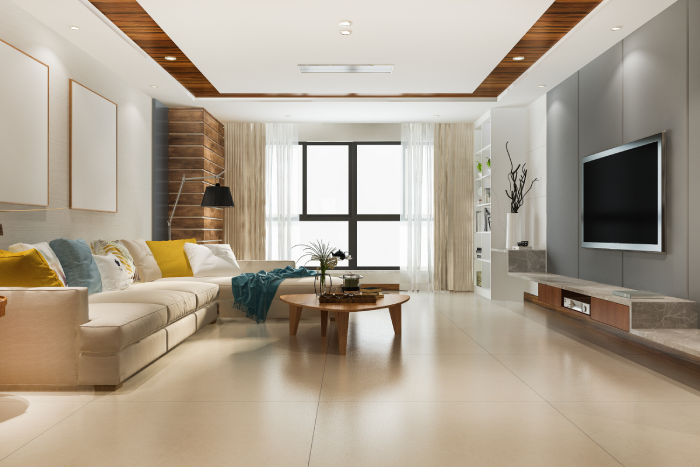
Remove Personal Items
Guests need to feel free in the space, not like they’re intruding. Remove family photos, personal documents, and clothing from all guest-accessible areas. Lock valuables, heirlooms, and anything irreplaceable in a dedicated storage space guests cannot access.
Clear out wardrobes, drawers, and storage so guests can unpack properly. The number of hangers and storage space should match your maximum guest count.
Deep Clean Everything
Cleanliness is the single most reviewed aspect of any Airbnb stay. Guests compare your property to hotels, which have dedicated cleaning staff. A surface wipe-down is not enough.
Before your first guest and before every stay, follow a comprehensive Airbnb cleaning checklist and clean:
- Every surface, including light switches, door handles, and skirting boards
- Inside all appliances (oven, microwave, fridge)
- Windows inside and out
- Bathroom grout, taps, and mirrors
- Behind and under furniture
Professional Holiday Let Cleaning London services take this off your plate entirely and ensure consistency between every guest stay. Most serious hosts outsource cleaning from day one.
Fix Maintenance Issues
Go through the property systematically before listing:
- Replace any blown light bulbs
- Fix leaky taps and slow drains
- Check all door and window locks
- Test smoke and carbon monoxide alarms
- Inspect appliances are fully functional
- Check AC and heating systems
Don’t wait for guests to flag problems. A maintenance issue that costs £20 to fix can cost you a five-star review.
Stock Essential Amenities
Guests expect certain basics. Running out of toilet paper or having no coffee supplies leaves a poor impression that ends up in reviews.
Bathroom essentials:
- Toilet paper (leave more than one roll visible)
- Hand soap and shower gel
- Shampoo and conditioner
- Fresh towels (at least two sets per guest)
- Bath mat
Kitchen essentials:
- Pots, pans, and cooking utensils
- Plates, bowls, cups, and cutlery
- Cutting board and sharp knife
- Tea, coffee, sugar, and milk
- Salt, pepper, and basic condiments
- Washing up liquid and sponge
- Dishwasher tablets if applicable
Bedroom essentials:
- Fresh bed linen (minimum two full sets per bed)
- Extra blankets and pillows
- Bedside lighting
- Adequate wardrobe space
Using Airbnb linen hire in London means hotel-quality bedding arrives fresh for every guest without you managing laundry logistics between stays.
Safety essentials:
- Working smoke alarms on every floor
- Carbon monoxide alarm where required
- Fire extinguisher or fire blanket in kitchen
- First aid kit
- Emergency contact numbers displayed clearly
Add Personality to the Space
One reason guests choose Airbnb over hotels is the character a home offers. Don’t strip yours out completely. Leave books, artwork, and interesting objects guests can enjoy. A thoughtful coffee table book or a curated shelf of local guides creates a better impression than a blank, clinical space.
Your WiFi name can have personality. Your welcome note can have warmth. Small touches turn a functional stay into one guests talk about in their review.
How to Create Your Airbnb Account and Listing
Setting Up Your Account
Go to airbnb.com and click “Airbnb your home.” Create an account using your email, Google, Apple, or Facebook. You’ll need to verify your identity with a government-issued photo ID. Verification typically completes within 24 hours.
Building Your Listing
Property type and space: Select whether you’re offering your entire home, a private room, or a shared room. Be accurate. Guests make decisions based on this.
Title (50 characters maximum): Your title is what guests see first in search results. Make it specific and descriptive. “Bright 2-Bed Flat, 5 Mins from Angel Tube” outperforms “Nice Apartment in London” every time. Include your location and your strongest selling point.
Description: Lead with what makes your property worth booking. Describe the space accurately, highlight standout features, explain the neighbourhood, and mention nearby transport. Keep sentences short and clear. Avoid exaggeration because guests who arrive expecting more than they get leave bad reviews.
Amenities: List everything. Guests filter searches by amenities. A property without WiFi listed won’t appear in searches from travellers filtering for it. Don’t assume anything is too obvious to include.
Photos: This is the most important part of your listing. Bad photos lose bookings even when the property is excellent. Shoot in natural daylight, remove all clutter, make beds properly, and photograph every room guests can access. Lead with your strongest image as the cover photo.
Setting Your House Rules
Be clear and reasonable. Vague rules cause disputes; excessive rules deter bookings.
Cover these as a minimum:
- Check-in and checkout times
- Maximum number of guests
- Smoking policy
- Pet policy
- Quiet hours
- Any specific property requirements
Pricing Your Listing
Research 10-15 similar properties in your area before setting your rate. For your first few bookings, price 10-15% below comparable listings to generate initial reviews quickly. Once you have positive reviews, raise your rate to match or slightly exceed the market.
Set weekly and monthly discounts to attract longer stays, which reduce your cleaning frequency and management time. Adjust pricing seasonally and for local events.
Preparing a Rental Agreement
Before your first booking, have your house rules and policies clearly documented. Your Airbnb listing covers most of this, but some hosts use a separate rental agreement for clarity. Include:
- Property address and description
- Check-in and checkout terms
- Cancellation policy
- House rules
- Payment terms
How to Set Up Guest Access
Guests appreciate smooth, flexible check-in. Meeting every guest in person limits your flexibility and theirs.
A smart lock with a unique code per reservation solves this cleanly. Guests enter independently on their own schedule. You change the code between stays. No key handovers, no coordination required.
A lockbox with a physical key works if you prefer a lower-tech solution. The key stays secure and accessible without you needing to be present.
If you do want to meet guests personally, have a clear backup plan for delays on either side.
How to Create a Welcome Experience
First impressions shape the entire stay. A small welcome package waiting on arrival costs very little but appears in reviews regularly.
This can be as simple as:
- A handwritten welcome note
- A local area map or your personal restaurant recommendations
- A couple of bottles of water
- Some local snacks or a small treat
Include your WiFi password prominently, instructions for heating, TV, and any appliances, and a contact number for questions. Put this information somewhere guests will actually see it, not buried in a long digital document.
How to Manage Guests Consistently
Communication
Respond to enquiries within an hour when possible. Fast responses convert more bookings and contribute to your response rate score, which affects your search ranking. Create saved message templates for common questions so you can reply quickly without writing from scratch each time.
Send check-in instructions 48 hours before arrival and a brief check-in message on the day of arrival. Follow up the day after check-in to ask if everything is satisfactory. This catches problems early before they become negative reviews.
Maintaining Standards Between Stays
The quality of your cleaning between guests directly determines your review scores. Professional Airbnb cleaners London maintain consistent standards with backup staff available for same-day turnovers, making them essential for any host with back-to-back bookings.
After each stay, check the property for damage, restock supplies, and confirm everything works before the next guest arrives.
Reviews
Leave reviews for guests promptly after checkout. Most guests only leave reviews when their host leaves one first. Good guest reviews build your reputation and your ability to attract future bookings.
Respond professionally to negative reviews. Future guests read your responses. A calm, constructive reply to criticism demonstrates maturity and care.
Frequently Asked Questions
How much does it cost to set up an Airbnb?
Initial setup costs vary widely based on your property’s current condition. Budget for professional photography (£100-£300), any missing amenities, safety equipment, initial deep cleaning, and linen supplies. Many hosts spend £500-£2,000 getting a property properly guest-ready before the first booking.
Do I need a business license to host on Airbnb?
In most of England and Wales, individual hosts don’t need a specific business license. Scotland requires mandatory short-term let licensing from local councils. Some English councils operate selective licensing schemes. Check your local authority’s requirements before listing.
How do I get my first reviews?
Price competitively for your first few bookings, respond to messages quickly, and focus on exceeding expectations for your first guests. A welcome package, prompt communication, and a spotless property consistently generate five-star first reviews that build your listing’s visibility.
Can I host on Airbnb if I have a mortgage?
You need your mortgage lender’s permission before hosting. Most residential mortgages prohibit short-term letting without consent. Contact your lender directly and get written confirmation before accepting any bookings.
How do I price my Airbnb listing?
Research comparable properties in your area and price 10-15% below them for your first bookings. Once you have reviews, adjust to market rate. Increase prices during local events, peak tourist seasons, and school holidays. Lower prices during slow periods to maintain booking frequency.
What happens if guests damage my property?
Airbnb’s AirCover provides up to £2.3 million in damage protection for hosts. Document the property’s condition with photos before each stay. Report damage through the resolution centre within 14 days of checkout. For serious damage or liability claims, specialist host insurance provides additional coverage beyond AirCover.
How much can I earn from Airbnb?
Earnings depend on your location, property size, pricing, and occupancy rate. London 2-bed properties average £18,000-£25,000 annually at typical occupancy rates. Properties near transport links, tourist attractions, or business districts consistently outperform those without these advantages.
Achieving Long-Term Success as an Airbnb Host
Turning your home into an Airbnb is a genuine income opportunity when approached properly. The hosts who struggle are those who rush the preparation and try to fix problems after bad reviews arrive. Get the legal checks done first, prepare the property to a standard you’d be comfortable reviewing yourself, and build systems for cleaning and communication that work without constant attention.
Your first few guests set the tone for everything that follows. Treat those stays as an investment in your listing’s long-term reputation rather than just immediate income.