The pet-friendly turnover checklist at a glance
- Confirm the property is vacant and any animal has left before the cleaner starts.
- Inspect floors, upholstery, beds and pet equipment before moving or treating anything.
- Remove visible hair from seams, edges and accessible spaces beneath furniture.
- Check throws, covers and pet bedding; follow their individual care labels.
- Investigate stains and odours rather than covering them with fragrance.
- Clean bowls, feeding mats and the surrounding floor using suitable methods.
- Check any agreed private outdoor area for waste and obvious damage.
- Finish the normal turnover, then make a separate pet-related final inspection.
- Record anything unresolved and tell the host before marking the property ready.
Before the clean: give the team a usable brief
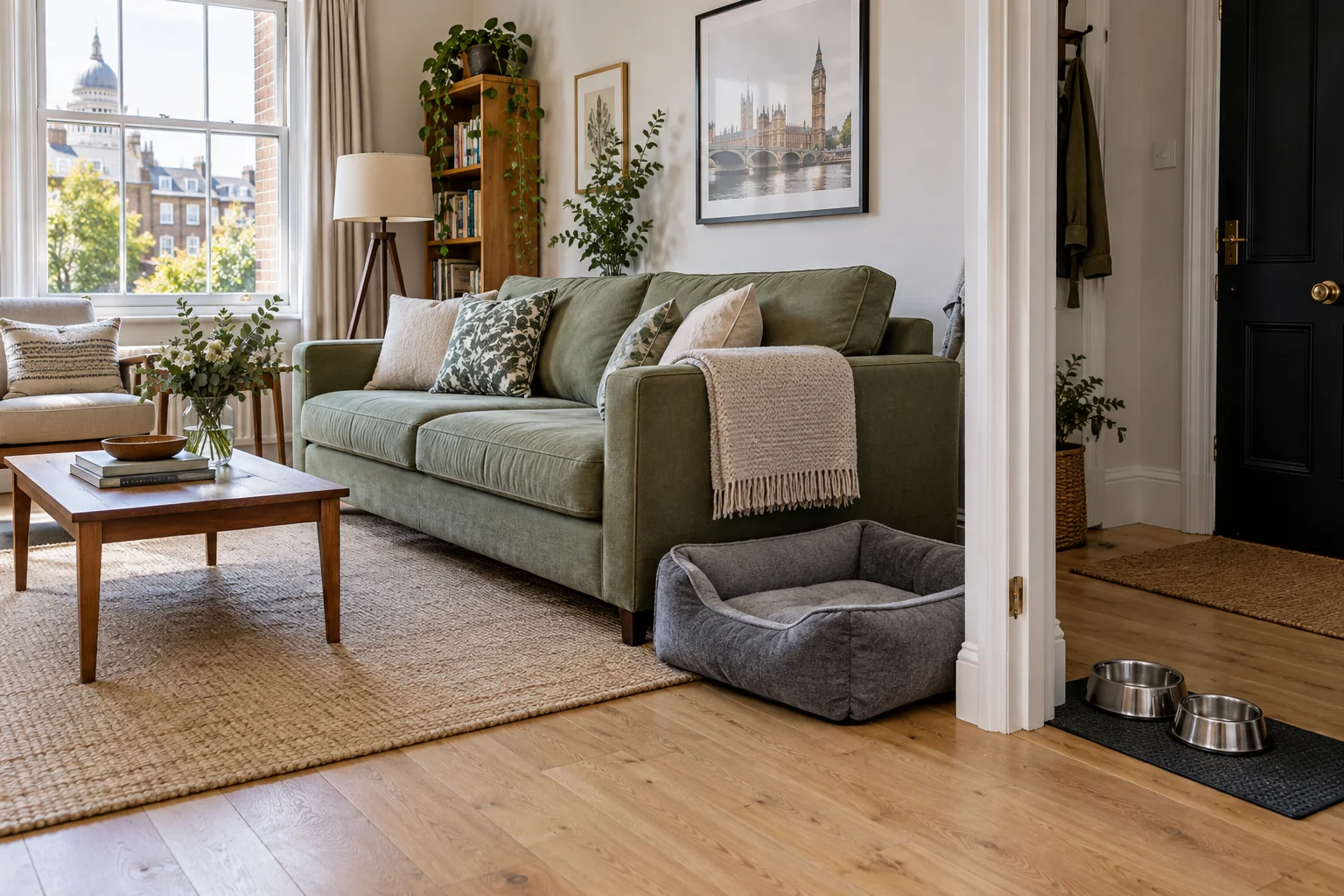
Pass on any known pet-related information that affects the work: which rooms were used, whether there are washable furniture covers, where spare pet bedding is kept and whether a guest has reported an accident. Do not assume the cleaner knows that the attractive blanket on the chair is actually the dog’s throw. Agree the arrival window and who to contact if an animal is still at the property. A turnover booking should not silently become a pet-sitting or animal-handling arrangement. The host should resolve access and occupancy before cleaning begins. Keep a short property-specific note covering:- Materials: upholstery care instructions, delicate flooring and products that must not be used.
- Replacement items: clean throws, spare pet-bed covers and the storage location for each.
- Scope: whether bowls, pet bedding and a private patio are included in the agreed clean.
- Escalation: who can approve extra work, replacement items or a specialist visit.
Find the hair that a quick floor clean misses
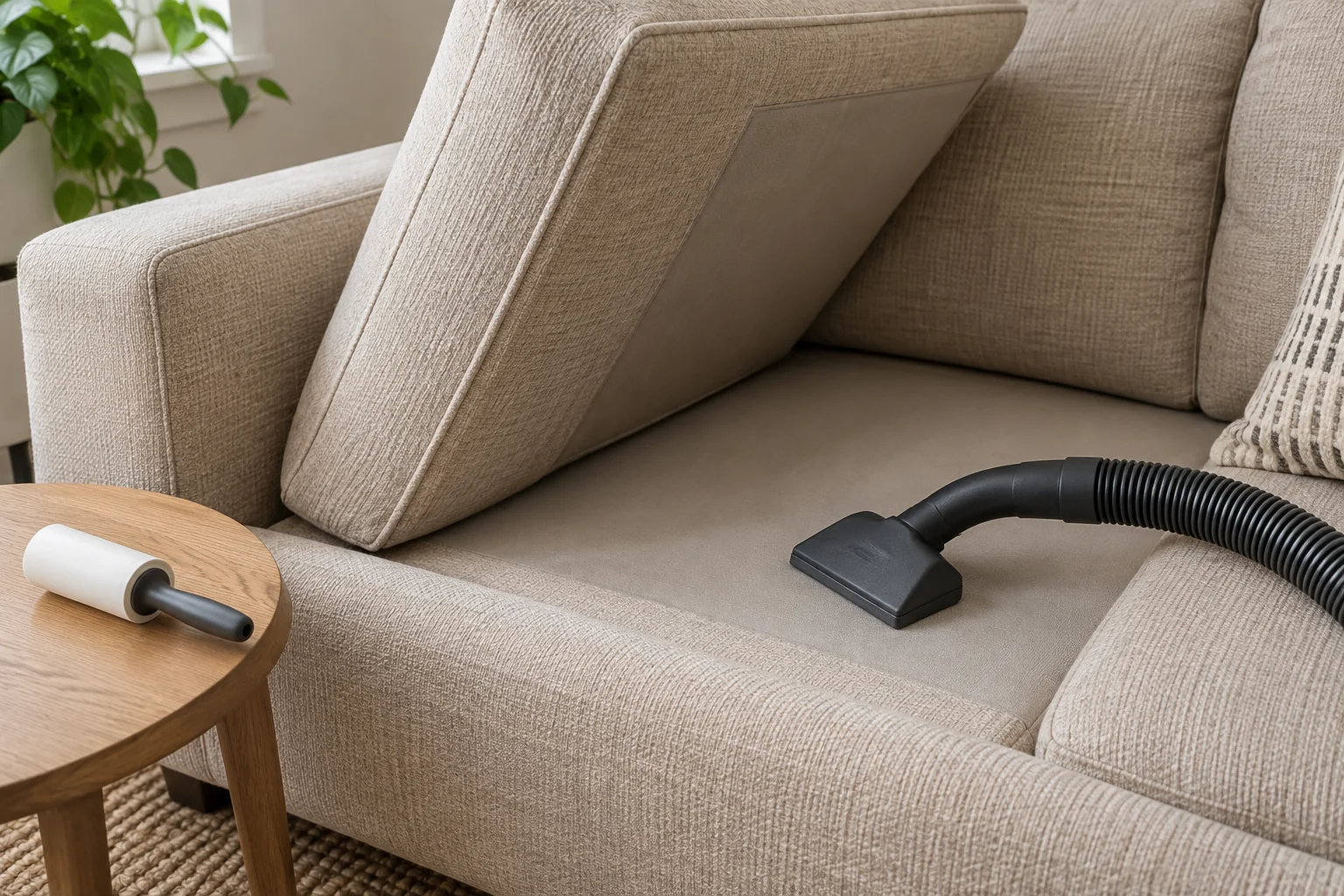
Start with a visual inspection before fresh guest linen and clean throws are brought into the working area. Use attachments suitable for the surface, following the vacuum and furniture manufacturers’ instructions. A lint roller can help with a final fabric check, but it is not a substitute for cleaning the seams and surrounding area.| Area | What to inspect | Final check |
|---|---|---|
| Sofa and armchairs | Cushion seams, backs, seat platforms and accessible gaps | Lift removable cushions again before replacing them |
| Bedroom | Bed frame edges, lower upholstery and accessible floor beneath the bed | Inspect before laying out clean linen |
| Rugs and floors | Edges, corners, skirting and the route between door and pet bed | Look from more than one angle in good light |
| Feeding area | Under the mat, bowl bases and nearby wall or cabinet fronts | No trapped debris or sticky residue |
| Entrance | Doormat, threshold and accessible door tracks | Check for hair, grit and muddy marks |
Reset soft furnishings without creating a drying problem
A removable cover is not automatically machine-washable. Read the label before washing sofa covers, cushion covers, rugs or pet bedding. Keep dirty pet textiles contained and away from the clean guest-linen supply while sorting them. Check for embedded hair before laundering, and follow the fabric and appliance instructions. Inspect washed items before returning them: a cover that is still damp, visibly hairy or smells must not go straight back on the sofa because check-in is approaching. Spare washable throws and pet-bed covers can be more useful than trying to wash and dry the only set within one turnover window. Label them by item, not just “spares”, and keep enough storage space to separate ready-to-use stock from items awaiting attention. If a mattress protector or upholstered item is affected, tell the host what you found. Do not hide a stain beneath fresh linen. Record the item, condition and whether it remains suitable to put back into use.Deal with the source of odours, not just the smell
Check likely sources first: pet bedding, upholstery, rugs, floor edges and the area around bowls. Strong air freshener can make a room smell different without resolving the cause. For a fresh urine accident, absorb the liquid without spreading it, then assess the surface and product instructions. A suitable enzymatic cleaner may help on compatible materials; test as directed and allow the required treatment and drying time. Humane World for Animals warns against steam-cleaning urine-stained carpets or upholstery because heat can set the stain and odour. See its pet stain and odour guidance. Persistent odour, soaked padding or repeated staining needs a different decision from ordinary hair removal. Report it early and agree whether specialist treatment, replacement or a change to the arrival plan is needed. Do not promise that one routine turnover will resolve contamination inside a carpet underlay or sofa filling.Use cleaning products carefully around pet equipment
Follow the product label, dilution instructions, surface restrictions and any rinsing requirements. Keep animals away while cleaning, allow treated surfaces to dry and store products securely. PDSA explains these precautions in its guide to pets and cleaning products. Never mix cleaning products or assume that “natural” means suitable for every animal or surface. Use an appropriate cleaning method for food and water bowls and their mat, keeping cleaning equipment separate from guest food-preparation tools. Dry the items before putting them back. Inspect host-supplied toys and accessories for obvious damage and report anything that needs removing or replacing rather than returning it automatically. Restock agreed pet supplies, such as waste bags, from the host’s approved inventory. Do not add opened food left by a previous guest to a welcome pack. For the rest of the property, use the Airbnb restocking checklist so pet supplies do not distract from essentials such as toilet roll and hand soap.Check the entrance and any agreed outdoor space
Where a private patio or garden is part of the cleaning brief, check for waste, displaced items and obvious damage. The host should specify the disposal arrangement and provide suitable supplies. Shared courtyards and communal areas need a clear responsibility boundary; they are not automatically included in an individual flat’s turnover. Report an obviously damaged gate or latch, but do not describe a quick visual inspection as a guarantee that an outdoor area is escape-proof. That requires the host to assess the property and its suitability for guests’ animals.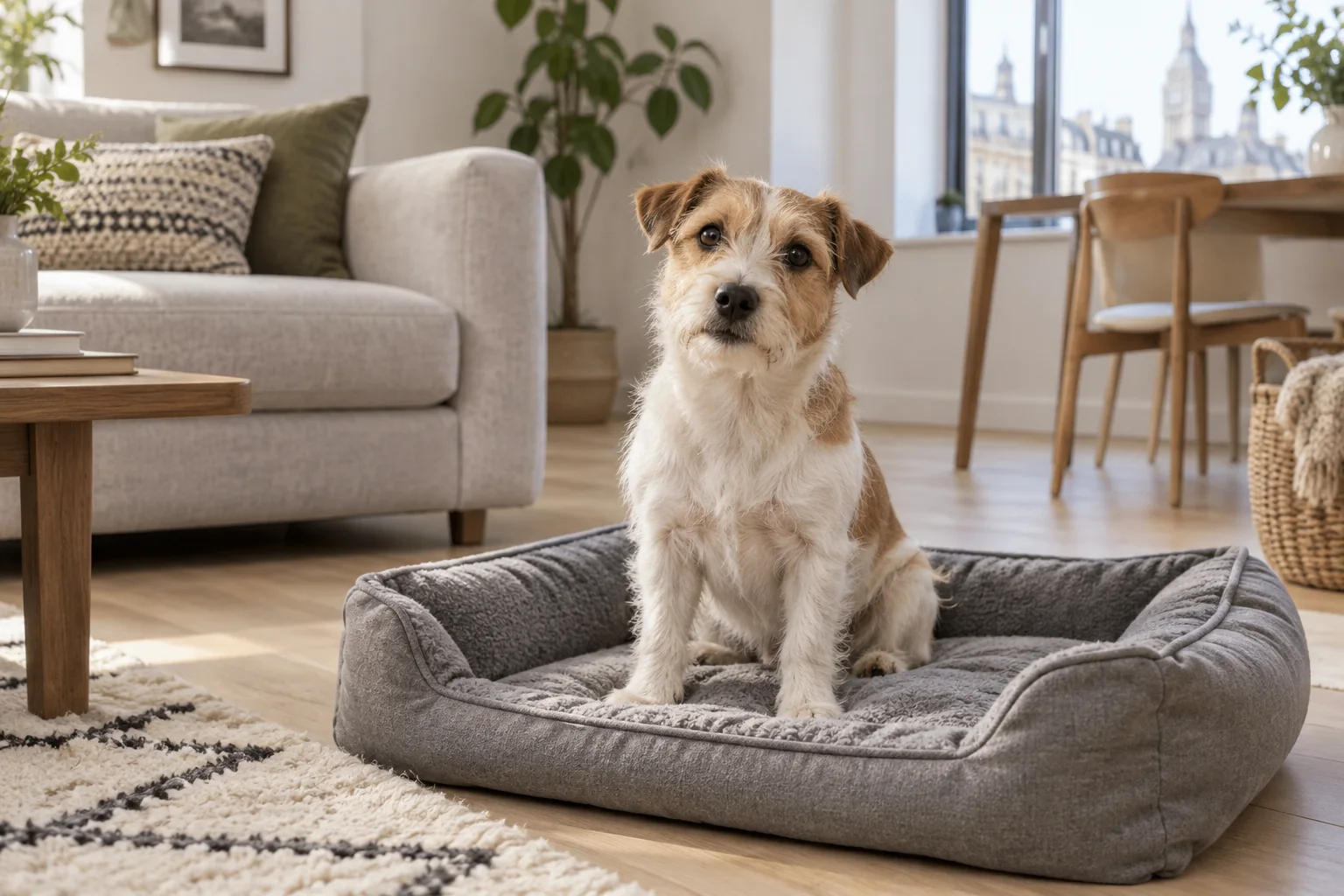
Be honest about pet fees and allergy expectations
Airbnb allows a pet fee to cover expected additional cleaning associated with pets. However, service animals are not pets under its policy: hosts cannot apply pet fees or extra cleaning fees for their hair or dander. Check Airbnb’s current pet-fee guidance and Accessibility Policy before setting charges or responding to a guest. A completed checklist also does not make a pet-friendly property “allergen-free”. Keep your listing accurate and do not turn a visual cleanliness check into an unsupported health guarantee. If a prospective guest asks about allergies, describe the property’s pet policy and cleaning arrangements honestly rather than promising complete allergen removal.The final handover: what to record before check-in
Use a short sign-off that separates finished tasks from unresolved issues:| Handover item | Record |
|---|---|
| Hair check | Rooms and fabric areas inspected; any inaccessible area noted |
| Fabrics | Items washed or replaced; anything still drying kept out of service |
| Odour and stains | Location of any remaining issue and action agreed with the host |
| Pet equipment | Bowls, mat and bedding reset; damaged items reported |
| Safety and storage | Surfaces dry, products put away and cleaning equipment removed |
| Guest readiness | Completion time and who has accepted any outstanding issue |