
The short answer
For reliable Airbnb cleaner access, agree a tested way into every required part of the property, give the assigned cleaner access during the cleaning window and nominate someone who can resolve a problem. A key or code for the flat is not enough if the cleaner cannot enter the building, collect the fob or open the linen cupboard.
A cleaner waiting outside cannot start the changeover. On a same-day booking, that delay reduces the time available to clean, make beds and check the property before the next arrival. The solution is not necessarily a more expensive lock: it is a complete, up-to-date access plan.
This guide helps London hosts compare physical keys, lockboxes, concierge collection and smart locks. It also includes a reusable access brief and a practical response when entry fails. For the rest of the visit, see our Airbnb turnover service guide.
Jump to: Access options · Your access brief · If entry fails · Before the cleaner leaves
Cleaner access is different from guest check-in
A guest normally needs access from check-in onwards. A cleaner needs an authorised appointment between bookings, often before the next guest’s code starts working. Reusing a guest’s code can leave the cleaner locked out after checkout or unable to return a forgotten item once that code expires.
Where your system supports it, use separate, identifiable cleaner permissions with a suitable time window. Confirm the actual visit rather than assuming the cleaner will arrive at the same minute every time. If an approved appointment changes, update the access window as well as the booking calendar.
Access must also respect the outgoing guest. A scheduled checkout time is not proof that someone has left. Agree how departure is confirmed and what the cleaner should do if the property is still occupied; do not instruct them to enter against a guest’s wishes or resolve an occupancy dispute themselves.
Which access method suits your property?
Choose around the building and the people using it. The four approaches below can work, but each needs a different check before the first visit.
1. Physical keys and fobs
Useful when: a communal door, gate or older lock requires a physical key.
Check: the set opens every required door, the collection and return arrangement is agreed, and a backup is available to an authorised contact.
Watch for: guests taking the only set away, missing building fobs and keys returned to the wrong place. Use a neutral identifier rather than putting the full property address on the keyring.
2. A permitted lockbox
Useful when: an authorised on-site key collection point avoids an in-person handover.
Check: permission for its location, the manufacturer’s installation instructions, ease of use and whether the cleaner can reach it without first needing another key.
Watch for: an empty box or an outdated code. Do not attach a box to communal or public fixtures without the necessary permission.
3. Concierge or managed collection
Useful when: the building has an agreed process for releasing keys to contractors.
Check: opening hours, the authorised cleaner’s name, identification requirements and what happens when the desk is unstaffed.
Watch for: assuming reception will release a key simply because someone says they are the cleaner. Give the building the required authorisation in advance.
4. Smart locks or keypads
Useful when: the installed system supports separately managed access for guests and cleaners.
Check: permissions, time windows, battery maintenance and the manufacturer’s offline and backup-entry arrangements.
Watch for: app-only access that the assigned cleaner cannot use, expired codes or a smart flat door behind a communal entrance that still needs a fob.
No single option is automatically the safest. Suitability depends on the hardware, installation, building rules and how access is managed. Check the arrangement with your building manager and insurer where relevant; this guide is not a lock-security certification or installation manual.
What should London apartment hosts check beyond the front door?
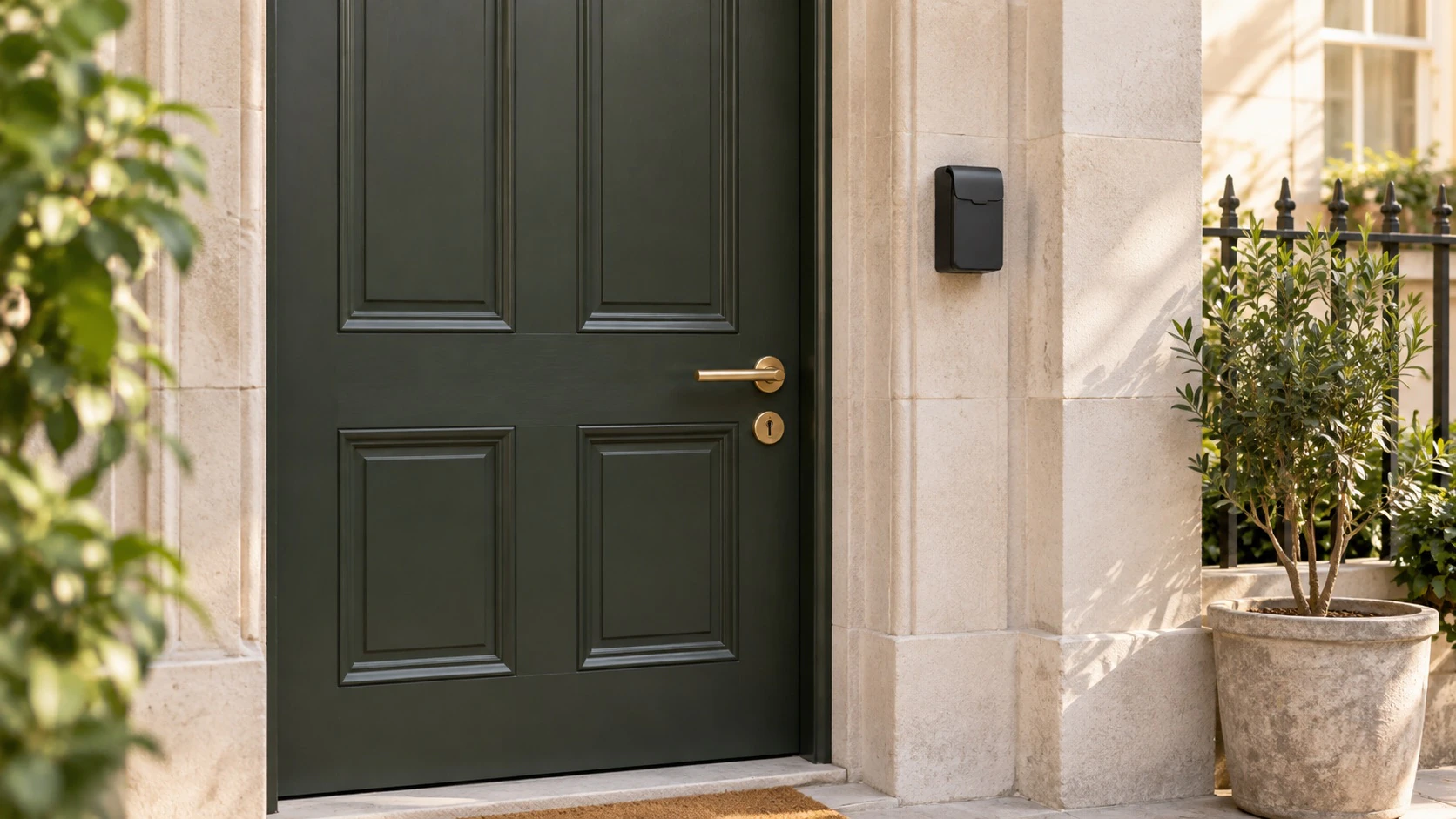
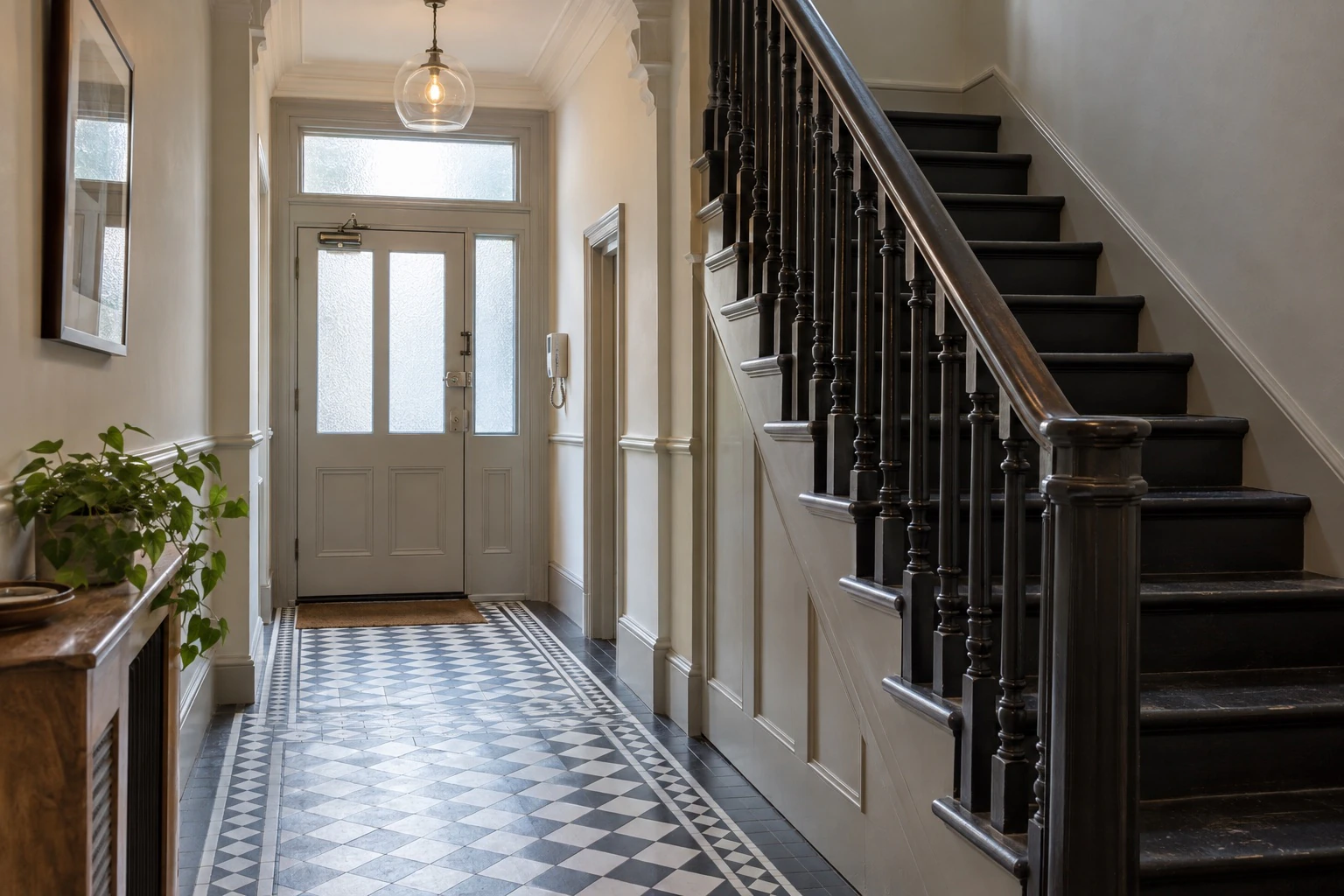
Walk the whole route as if you have never visited before: street entrance, communal hallway, correct floor, flat door and any locked storage needed for the clean. A converted house may have a lower-ground entrance separate from the main door. A mansion block may need a fob plus a flat key. An apartment above commercial premises may use a different entrance from the shop below.
- Identify the entrance clearly: share the correct door and flat number privately, with a useful entrance photo if needed.
- Explain building procedures: intercom instructions, contractor sign-in, lift arrangements and any agreed working-hour restrictions.
- Include supply access: clean linen, agreed consumables and cleaning equipment must be reachable, not locked in a cupboard with a guest-held key.
- Plan key return: the cleaner must be able to leave the building and secure the property without accidentally locking the next guest out.
Do not rely on following another resident through a secure entrance or asking neighbours to let the cleaner in. Arrange authorised access instead.
How should codes and access details be shared?
Use the agreed private communication channel and share only what the assigned people need. Keep access instructions out of public listing text, public photos, reviews and website enquiry forms. In the initial cleaning enquiry, describe the method—such as “concierge-held keys”—without sending a live code.
Airbnb’s home safety requirements say lockboxes and entry codes must remain secure and hosts should change codes between reservations. Build that into the handover process: identify who updates the code, when it changes and how the cleaner receives the current instructions.
For smart locks, give access permissions rather than sharing the owner or administrator login. Remove permissions when someone no longer needs access. With physical keys, keep a simple record of who holds each set and confirm its return when arrangements end.
A UK smart-lock integration check
A smart lock does not automatically mean Airbnb manages its codes. Airbnb currently states that its direct connected-lock feature is limited to US and Canadian listings unless a supported third-party property-management integration is used. London hosts should check their exact lock and software setup rather than assume Airbnb will create a cleaner’s code. See Airbnb’s connected smart-lock guidance. Source checked 16 September 2026.
A reusable cleaner-access brief
Copy these headings into your private property instructions. Complete them before the first appointment and update the same record whenever something changes, rather than leaving conflicting instructions across old messages.
- Property and entrance
- Full address, flat/floor, correct entrance and any essential wayfinding notes.
- Authorised visit
- Cleaning date, agreed access window, checkout confirmation and next check-in time.
- Primary entry method
- Key collection, lockbox, concierge or named smart-lock permission. Share credentials through the agreed private channel.
- Additional doors and storage
- Communal fob, internal doors and access to linen, consumables and equipment.
- Backup route
- Who holds the authorised spare or can resolve a failed entry, and how they can be reached.
- Departure instructions
- How to secure the property, return keys and confirm completion without exposing codes in photos.
- Last checked
- Date the instructions and actual entry method were tested, plus the person responsible for updates.
Test the complete route before the first clean. A screenshot showing a code exists is not the same as confirming that it opens the right door during the required time window. Arrange a safe test with an authorised person available and avoid leaving yourself locked out.
What should happen if the cleaner cannot get in?
- Identify the failed step. Is it the building entrance, key collection, flat door or a storage cupboard? Confirm the address and latest instructions.
- Contact the nominated person promptly. Report arrival time and the problem through the agreed channel. Avoid posting access details in a broad group.
- Use only the authorised backup. Do not force a lock, improvise entry or leave a communal door unsecured.
- Reassess the changeover. If entry is delayed, agree the remaining scope and realistic completion time. Do not assume the original handover time can still be met.
- Record and fix the cause. Update the shared instructions or maintenance plan so the next appointment does not repeat the problem.
Agree waiting time, escalation and any rescheduling terms with your cleaning provider beforehand. This article does not promise free waiting, emergency locksmith attendance or guaranteed same-day recovery.
The access check before the cleaner leaves
- Keys and fobs are returned to the agreed secure place.
- The lockbox is properly closed and its controls reset as instructed.
- The property is secured using the agreed method; do not assume pulling a door shut locks it.
- The next guest’s entry arrangement remains available.
- Any lost key, faulty lock or low-battery warning is reported promptly.
- Completion photos do not reveal live codes, detailed key cuts or private guest information.
An entry log or a locked-door photo is not proof that every cleaning task is complete. Pair the access handover with the room-by-room checks in our Airbnb cleaning checklist.
Planning access for your Airbnb Cleaners London visit
When requesting a turnover clean, tell us your postcode, property size, checkout and check-in times, and the proposed access method. Flag any concierge, fob or separate-entrance arrangements before the appointment so the requirements can be discussed.
If you need linen hire with your turnover clean, include how the clean sets and used linen will be accessed. Linen hire is available with our Airbnb turnover service, not as a standalone service.
Arrange the clean and the handover together
Share the essentials for a quote first. We can then agree how the cleaner will enter, reach the supplies and secure your property after the visit. Please do not put live door or lockbox codes in the enquiry form.
Frequently asked questions
Can I use the same code for guests and cleaners?
It may work technically, but a guest code can expire during the cleaning window. Separate permissions are easier to manage where supported. Whatever method you use, confirm the cleaner’s authorised access period and keep the current instructions secure.
Does a smart lock remove the need for a backup?
No. Follow the manufacturer’s backup-entry guidance and nominate someone who can help. Check the communal entrance too: a working smart lock on the flat does not solve a missing building fob.
Can a cleaner collect keys from my concierge?
Only where the building and cleaning provider have agreed the arrangement. Confirm authorisation, identification requirements, collection times and return instructions beforehand.
What if the guest has not checked out?
The cleaner should contact the host or nominated coordinator and wait for an authorised plan. Do not ask the cleaner to confront the guest or assume permission to enter an occupied property.
Should access codes be visible in completion photos?
No. A completion report can confirm that keys were returned and the property secured without showing active codes or other sensitive access details.
Further reading: Airbnb’s self-check-in guidance. Guest arrival instructions and cleaner access should be coordinated, but they serve different purposes.